Signals Before the Application: Reading UK Vacancies for Genuine Hiring Intent in 2026
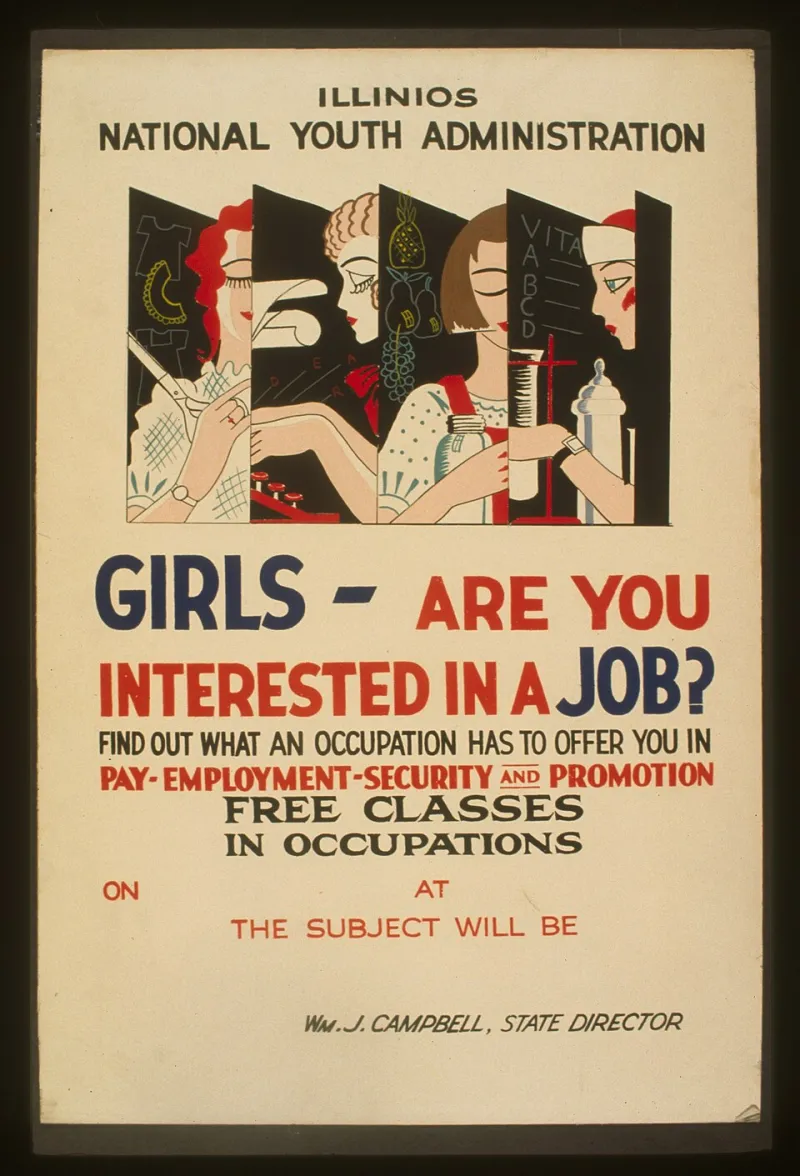
Photo: Work Projects Administration Poster Collection, Public domain, via Wikimedia Commons
In a busy UK job market, candidates can encounter adverts that look active but may not correspond to an immediate, external appointment. The advert might be an evergreen listing, a talent-pool exercise, an internal-only process, or a role still awaiting final approval. The sensible response is neither blanket suspicion nor naive optimism. It is to read the signals carefully, ask precise questions, and protect your time without closing the door on opportunity.
Why an advert may not reflect a live hire
There are legitimate reasons why a vacancy may remain online without an active recruitment process. An employer may be building a pipeline for future growth, preparing for succession, or testing the market before committing to a permanent headcount. A recruitment agency may be advertising speculatively, or a hiring team may be waiting for sign-off from finance. Some adverts are refreshed automatically to keep them visible, while others sit within a wider campaign covering several similar roles.
Understanding this context matters. It is not helpful to assume every ambiguous advert is dishonest. Equally, it is unwise to invest hours in a tailored application, a lengthy assessment and multiple interview stages without checking whether the process is genuinely moving.
The warning signs worth noting
No single signal proves that a vacancy is inactive. However, a cluster of the following should prompt a closer look before you commit significant time.
- The advert has been live for several months, carries no closing date, or is repeatedly refreshed without any change to the description.
- The role lacks a named hiring manager, team structure, or clear reporting line, and the description remains generic.
- The application window is described as ongoing, with no indication of interview dates or a preferred start period.
- Near-identical adverts appear across multiple locations, agencies or job boards, sometimes with slightly different titles.
- The salary, contract type or hybrid pattern is left vague even at a stage when those details would normally be confirmed.
- The advert appears to be open to external candidates, but the wording hints that an internal appointment is already underway.
- A recruiter cannot confirm whether the role is live, who the hiring manager is, or whether external applications are being considered.
- You are asked to complete a substantial unpaid exercise or provide detailed references before even a short screening conversation.
These signs are not accusations. They are prompts for a sensible conversation.
Questions that clarify without confrontation
A short, polite exchange with the recruiter or hiring manager can reveal much about the status of a vacancy. Frame your questions around planning rather than suspicion. For example:
- Is this a live, approved vacancy with an intended start date?
- Is the role open to external candidates, or is there an internal process already in progress?
- Who is the hiring manager, and which team does the role sit within?
- What is the planned interview timeline, and how many stages are involved?
- Is this a specific position or a talent-pool advert for future opportunities?
- How many appointments are you hoping to make from this advert?
- Could you confirm the salary band, contract type and hybrid pattern?
If the answers are clear and consistent, you can apply with confidence. If they are vague, you have useful information about how to prioritise your time.
Protecting your time without closing doors
A measured approach is to screen adverts before you tailor your CV. Look for clear role purpose, named stakeholders, a defined location or hybrid pattern, and a process that includes stages and dates. Where those details are missing, consider a brief enquiry before applying. This is especially sensible for roles that ask for significant preparation, such as presentations, work samples or multiple written responses.
It is also helpful to keep a simple record of applications and follow-up dates. If an advert has been open for an unusually long period and the employer cannot confirm a timeline, place it in a watchlist rather than making it your main priority. Continue to build a pipeline of opportunities with clearer signals. That way, one uncertain advert does not become the centre of your job search.
None of this requires you to become cynical. It simply means treating your time as a professional asset. A considered enquiry is not a challenge to the employer. It is evidence that you plan your applications carefully and respect the effort involved on both sides.
Keeping a positive, opportunity-focused mindset
Some adverts that look uncertain at first are genuinely early-stage opportunities. A hiring manager may be preparing to recruit but waiting for final approval. A talent pool may lead to a suitable role sooner than expected. The key is to stay open while gathering evidence. Ask, listen and decide where to invest your energy.
At My Talent Place, the aim is to help you find your place and grow your career. That includes recognising when an opportunity deserves your full attention, and when a polite question will save you time. In 2026, a thoughtful, evidence-led approach to UK vacancies is not about suspicion. It is about applying with purpose, protecting your time and keeping your search focused on roles where genuine hiring intent is clear.