The Version of You That Google Shows: Preparing Your Online Presence for a UK Job Search
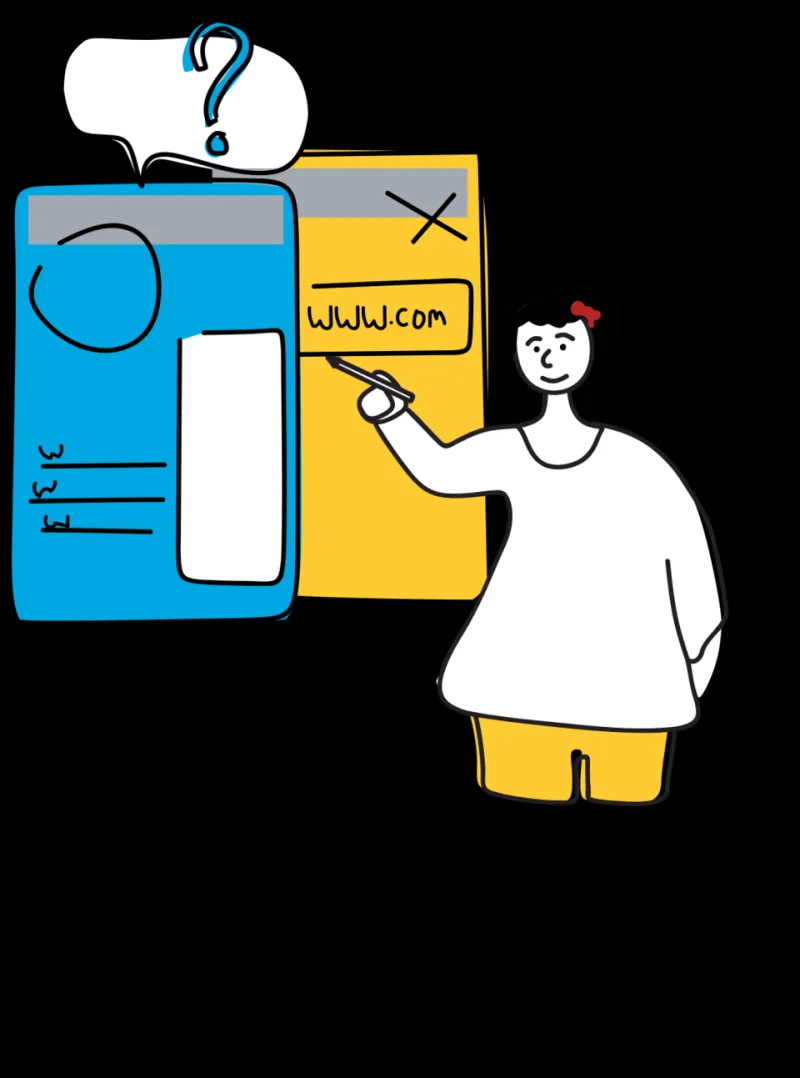
Photo: Mam'Gobozi Design Factory (MDF), CC BY-SA 4.0, via Wikimedia Commons
Recruitment has quietly acquired a habit. Somewhere between shortlisting and scheduling — and often again after an interview has ended — someone in the hiring process types a candidate's name into a search bar. It takes under a minute. What comes back becomes part of the impression, whether or not anyone mentions it in the feedback.
None of this is a reason to vanish from the internet. In 2026 a visible, coherent professional presence is an asset, particularly in digital, creative and client-facing work. The point is narrower and more useful: the version of you that a search engine returns should be a version you have chosen, not an accident of 2014.
Start as a stranger would
Open a private browsing window and sign out of your accounts. Search your name on its own, then with your town or city, then with a skill or job title attached. Try your professional email address, and any username you have carried since school. Finish with an image search — old profile photographs have a habit of reappearing on conference attendee lists, directory sites and event galleries.
Note what appears across the first two pages of results. That is roughly as deep as a busy hiring manager will go, and it is the layer that matters most.
The accounts you stopped thinking about
Most people's results are dominated by three or four forgotten profiles: a job board CV uploaded in 2019, a hobby forum, a photo site, a professional network updated only when a role ends. Each is a small contradiction waiting to be spotted — an old job title, a previous city, a qualification you have since completed.
Decide, account by account, whether to update, close or leave. Updating is usually the better answer for anything a recruiter might reasonably find: a stale profile that is broadly accurate reads as neglect, while a closed account simply falls out of results.
Privacy settings filter; they do not curate
Tightening settings is sensible and worth an hour. It is not a strategy on its own. Content posted publicly can be copied, cached or screenshotted, and a locked-down profile with an out-of-date headline still surfaces in search snippets.
Treat privacy as one layer of three: restrict what should never have been public, update what represents you now, and add material that actively supports your application.
Comments that have aged badly
Public arguments, sarcasm aimed at a former employer, and threads written in a tone you would not use in a meeting all travel further than they feel like they do. UK employers cannot lawfully make decisions on the basis of protected characteristics, and holding a lawful opinion is not disqualifying in itself — but a recruiter forming a first impression in thirty seconds is not running a legal test.
The practical question is not "would I delete this?" but "would I be comfortable defending this calmly, out loud, in an interview?" If the answer is no, remove it or move it behind a privacy setting.
When AI has written your profile
A great deal of profile text has been drafted with AI assistance in the past two years, and the seams show: interchangeable phrases about being a "passionate, results-driven professional", summaries that could describe anyone, and a mismatch between a polished bio and the far more specific CV attached to it.
If you have used AI to draft, treat it as a first pass rather than a final one. Rewrite the opening in your own voice, keep one concrete detail per claim — a number, a system, a team size — and check that dates, job titles and locations match your CV exactly. Consistency is what reads as credibility.
Portfolios and proof of work
For candidates in design, engineering, marketing, data and research, the portfolio often says more than the CV. Check that every link works from a phone, that project dates line up with your employment history, and that each case study states the problem, your specific contribution and the outcome. Where work is covered by a confidentiality agreement, describe the method and the result without naming the client.
Those in less portfolio-friendly fields can still offer proof: a page listing talks, volunteering, continuing professional development, or a short write-up of a project delivered. One well-chosen example beats six thin ones.
Make it a habit, not a panic
A burst of frantic deletion in the week you start applying is both stressful and conspicuous, and it can break links that an old referee or colleague still relies on. Instead, review lightly each quarter: refresh your headline after any change of role, close dormant accounts, and set a search alert for your own name so that you see what others see.
Polish without erasing personality
The goal is coherence, not blandness. A profile that mentions a long-running volunteering commitment, a sport, a community role or a professional association gives an interviewer something human to work with. Erasing every trace of character in the name of safety produces exactly the sort of profile that recruiters skim past.
Before you make an application
- Search your name in a private window, on two search engines, plus an image search.
- Bring your three most visible profiles into line with your CV.
- Check every portfolio link from a mobile device.
- Remove or restrict posts you would not defend out loud.
- Add one piece of current, specific proof of your work.
- Refresh your headline and location before you apply, not after.
A digital footprint is not a verdict, and it is not a permanent record of who you were at twenty-three. It is a set of materials you can tidy in an afternoon, so that the first impression a stranger forms is at least an accurate one.